Exterior Door Replacement: Security, Thresholds and Weather Seals
Planning ahead is usually less disruptive than correcting a rushed decision later. A door assembly needs to close squarely while shedding water away from the interior. A few focused questions can expose assumptions about access, labor, maintenance or risk before those assumptions become an expensive surprise.
In the context of roofing & exterior, a useful evaluation separates symptoms, causes and proposed solutions. That prevents a visible condition from being mistaken for a complete diagnosis.
A roof and exterior wall work as connected layers: the visible material sheds weather, while concealed membranes, flashing, fasteners and drainage keep the assembly reliable. A sound scope therefore describes the interfaces as carefully as the product itself.
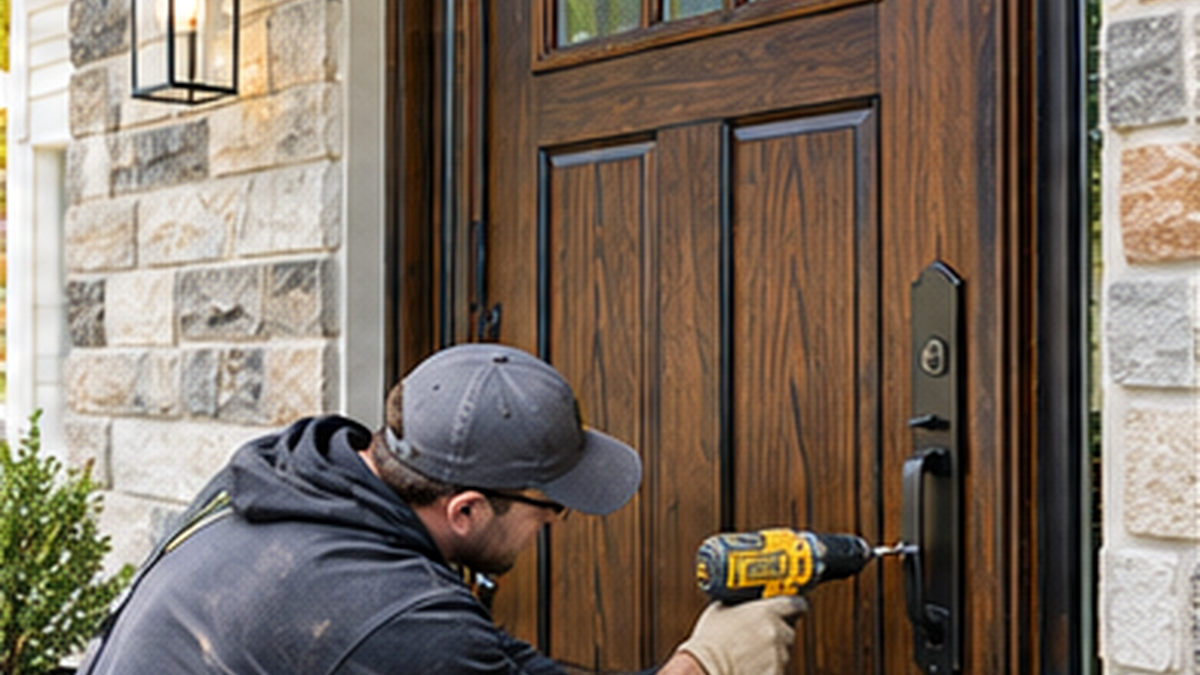
A door assembly needs to close squarely while shedding water away from the interior. Ask which observation would confirm that explanation and which finding would change it. This is especially important when a product specification, inspection report or estimate is presented without the conditions that led to it.
These checks are intentionally more useful than a generic list of features. For example, a provider should be able to distinguish an observation about threshold slope from a recommendation that addresses strike alignment. If the connection is missing, request clarification before deciding.
Insulation and security features versus future adjustment and maintenance. Compare proposals on the same scope, using the same assumptions. Write down what each option includes, excludes and requires from the owner or user. A low figure is not a bargain if essential work, monitoring or follow-up is absent.
Make the comparison at three levels: the immediate task, the consequences of delaying or doing less, and the likely maintenance or follow-up afterward. Any promised outcome should be described in terms that could later be verified. Where a professional assessment is needed, an educational checklist cannot replace it.
A warning worth taking seriously is an installer who leaves an unsealed threshold or rubbing door. It does not automatically prove that a provider or product is unsuitable, but it means the decision is missing a piece of information. Ask for the missing detail in writing and compare the explanation with the actual condition.
Roof repair and envelope work should follow the building conditions, local permit rules, manufacturer instructions and safe-access procedures. Never recommend climbing a roof in dangerous weather. Distinguish a normal tradeoff from a safety issue: the first may be a matter of budget or preference, while the second should be addressed before work proceeds. For claims about local permits, warranties, eligibility or health effects, check an appropriate professional or primary source.
Request the observation or document relating to threshold slope and ask how it changes the recommended scope. A concrete answer should explain both the finding and its limitation.
Compare insulation and security features versus future adjustment and maintenance. Ask whether a lower-cost alternative would resolve the same underlying issue, and whether a more expensive approach offers a measurable benefit.
Discuss an installer who leaves an unsealed threshold or rubbing door and any uncertainty about hidden conditions, timing or use. Agree on what will be inspected, recorded or revisited if results differ from expectations.
A door assembly needs to close squarely while shedding water away from the interior. The strongest next step is to gather specific evidence, compare a written scope on consistent terms and treat unverified assumptions as open questions—not facts. This approach supports more informed decisions while leaving technical judgments to the qualified people responsible for them.
For background and official guidance, start with ENERGY STAR. Confirm any location-specific rule, safety requirement, eligibility term or product claim before acting. This article is general educational information, not a personalized assessment.